


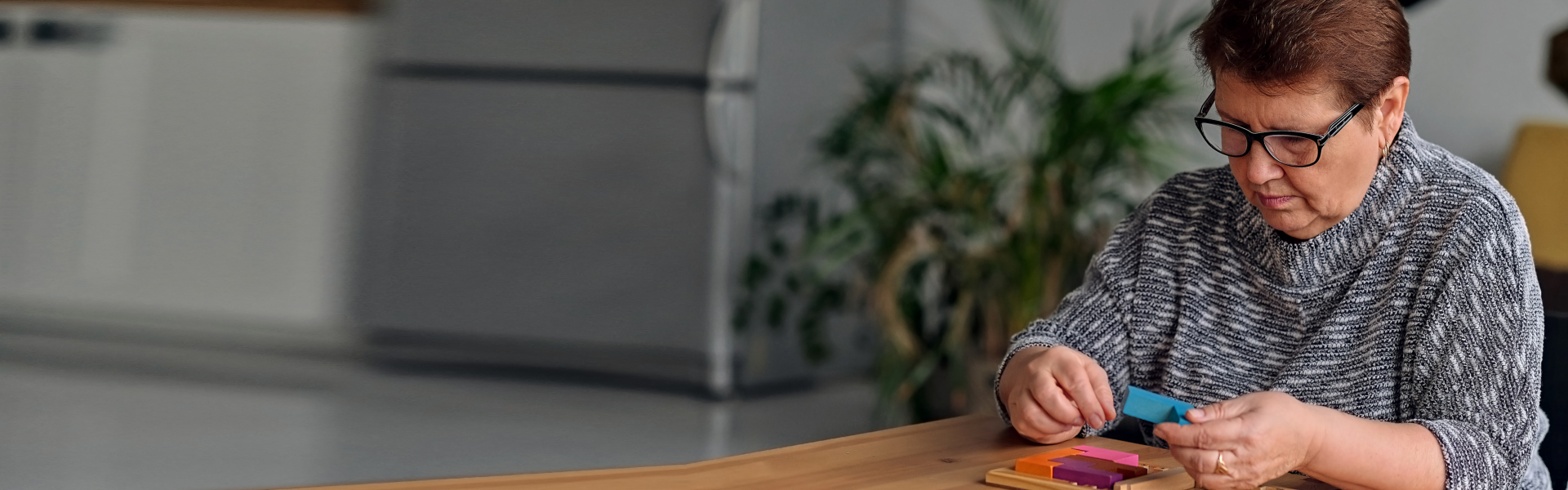



Building practical abilities for dressing, cooking, grooming, and daily tasks
When everyday activities such as dressing, preparing meals, grooming, or handling household items become difficult, even familiar routines can require additional effort. These challenges may result from aging, injuries, neurological conditions, or physical limitations that affect coordination, strength, and the ability to complete daily tasks. At Angel Hands Health Care Inc., our occupational therapy services focus on helping individuals develop practical skills and adapt to activities that are important to their everyday routines. Through guided therapeutic exercises, task-based activities, and appropriate equipment training, clients can work toward performing daily responsibilities with greater confidence. Our goal is to help individuals maintain participation in familiar activities while addressing the challenges that affect their independence.
Therapeutic Activities for Everyday Function
Occupational therapy addresses difficulties that affect how individuals perform personal, household, and other routine activities. Depending on the therapist’s evaluation and the client’s goals, sessions may involve:
Therapeutic activities for individuals recovering from traumatic brain injuries
Exercises to improve upper extremity strength
Training in appropriate work and activity practices
Activities addressing sensory limitations
Functional mobility training
Training in the use of occupational therapy equipment
And other therapist-directed interventions
The specific activities are determined according to the individual’s physical abilities, functional limitations, and treatment goals. Each session focuses on practical skills that can be applied to the activities clients encounter in their daily lives.
Helping Individuals Manage Everyday Activities
Tasks that once required little effort may become challenging when physical strength, coordination, sensation, or cognitive abilities change. Occupational therapy helps address these difficulties by breaking activities into manageable steps and introducing appropriate techniques or adaptive equipment when needed. For example, individuals may practice handling personal care items, reaching for household objects, or completing dressing routines using methods suited to their abilities. Therapists can also consider how frequently used areas and household arrangements affect the completion of daily tasks. These activities help connect therapy sessions with the practical demands individuals experience at home.
Who May Benefit From Occupational Therapy?
Occupational therapy may be suitable for seniors experiencing age-related functional changes, individuals recovering from injuries or orthopedic procedures, and people managing neurological conditions. Those who experience difficulty with hand coordination, upper extremity movement, sensory processing, or completing personal care activities may also benefit from professional evaluation. Individuals recovering from traumatic brain injuries may require assistance relearning or adapting skills used in everyday routines. Families can discuss these challenges with the healthcare team to determine whether occupational therapy is appropriate for their loved one’s functional requirements.
How Occupational Therapy Is Arranged
The process begins with an evaluation of the individual’s physical abilities, coordination, range of motion, and capacity to perform everyday activities. The occupational therapist uses this information to identify areas that may require attention and establish appropriate treatment goals. Depending on the assessment, sessions may include therapeutic exercises, task-specific activities, adaptive techniques, and equipment training. The therapist may also review relevant areas of the home to identify environmental challenges that affect the completion of daily routines. Subsequent sessions focus on practicing recommended activities and adjusting the treatment approach according to the individual’s response and progress.
Applying Therapy Skills to Everyday Life
Occupational therapy becomes especially relevant when the skills practiced during sessions can be applied to familiar activities outside the treatment setting. Tasks such as buttoning clothing, handling utensils, reaching for objects, and organizing personal belongings can provide practical opportunities to work on coordination and functional abilities. Therapists can introduce techniques or assistive equipment that help individuals approach these activities according to their physical capabilities. Family members may also gain a better understanding of how to support recommended techniques during everyday routines. By focusing on practical applications, occupational therapy helps individuals work toward greater participation in the activities that form part of their daily lives.
What does occupational therapy help seniors accomplish?
Occupational therapy helps older adults address difficulties with everyday activities such as dressing, grooming, preparing meals, and handling household items. Treatment focuses on developing practical skills and adapting routines to support greater participation in daily activities.
How can occupational therapy help someone recovering from a stroke?
After a stroke, individuals may experience changes in coordination, strength, and their ability to perform familiar tasks. Occupational therapy uses guided activities and adaptive techniques to help them practice essential routines, including dressing, eating, writing, and personal care.
Can occupational therapy help address fall risks at home?
Yes. Occupational therapists can evaluate how individuals perform everyday activities and identify challenges involving coordination, movement, and the home environment. They may recommend practical techniques, assistive equipment, and environmental adjustments to help address potential hazards during daily routines.
What is the difference between occupational therapy and physical therapy?
Occupational therapy focuses on helping individuals perform everyday activities, including personal care, household tasks, and activities requiring hand coordination. Physical therapy primarily addresses movement, strength, balance, and mobility through therapeutic exercises and rehabilitation activities.
How long does an occupational therapy program usually last?
The duration depends on the individual’s condition, functional limitations, and established treatment goals. Some individuals may require several weeks of therapy, while others benefit from longer treatment periods with regular evaluations and adjustments.
What health conditions may benefit from occupational therapy?
Occupational therapy may support individuals managing arthritis, Parkinson’s disease, neurological conditions, traumatic brain injuries, and limitations following surgery. Treatment activities depend on how the condition affects the person’s ability to complete everyday tasks.
Can occupational therapists recommend changes to the home environment?
Yes. Occupational therapists may evaluate household arrangements to identify obstacles that make daily activities more difficult. Recommendations may include reorganizing frequently used items, improving access to essential areas, or considering appropriate assistive equipment to support everyday tasks.
Reliable Care Around the Clock
Knowing that someone is there to assist your loved one can make a difference for the entire family. Our dedicated healthcare professionals are here to provide support throughout the day and night. Contact Us to discuss your family’s needs and how we can help.