


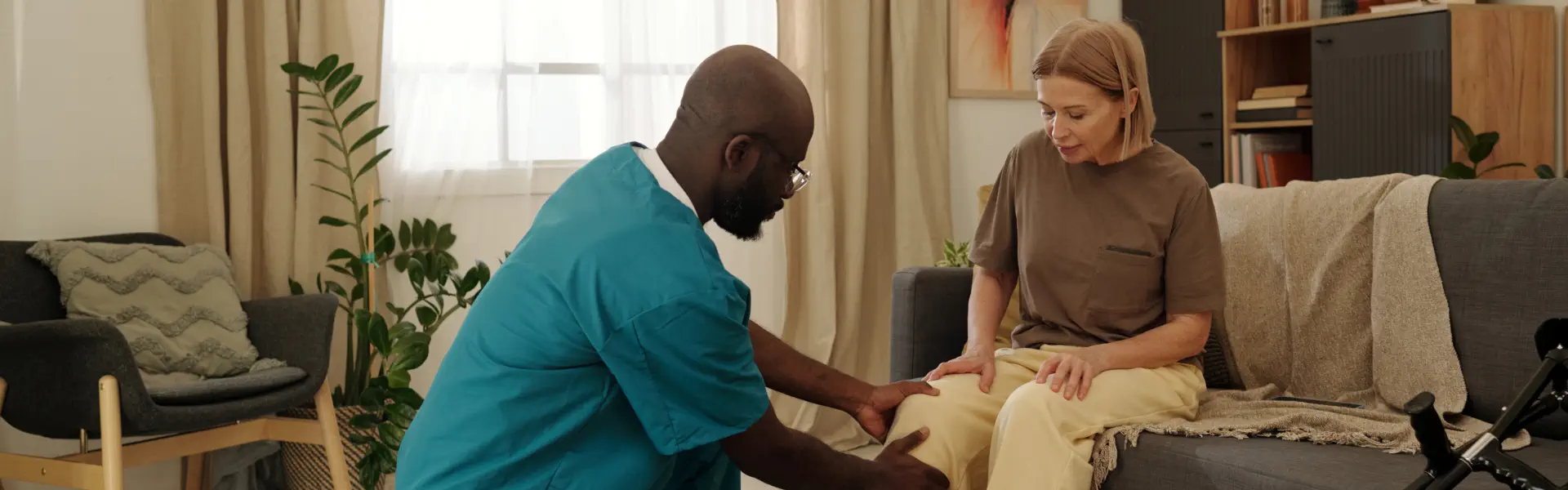



Addressing complex personal requirements through focused, individualized caregiving assistance
Some individuals require additional assistance because of age-related limitations, disabilities, or ongoing health conditions. Specialized care addresses these circumstances through caregiving arrangements that consider each person’s physical abilities, daily routines, and specific support requirements. At Angel Hands Health Care Inc., our caregivers work with families and healthcare providers to coordinate assistance based on the individual’s care plan and personal preferences. This approach helps ensure that daily support reflects the person’s circumstances rather than relying on a general caregiving routine.
What We Assist With
Our specialized care services address different personal and daily assistance requirements. Depending on the individual’s circumstances and agreed care plan, support may include:
Assistance with mobility and transfers
Reminders for scheduled medications
Dementia and memory-related assistance
Meal planning and feeding support
Incontinence care and toileting assistance
Bathing, grooming, and personal hygiene
Companionship and emotional support
These services address specific caregiving requirements while helping individuals continue their usual activities with appropriate assistance at home.
Why Specialized Care May Be the Right Choice
When an individual’s care requirements involve more than routine household assistance, specialized caregiving can provide support that reflects their particular circumstances. This may include assistance during recovery following hospitalization or help with daily activities affected by age-related conditions, disabilities, or memory difficulties. Having an organized care arrangement can also help families coordinate responsibilities and understand the type of assistance their loved one receives. Caregivers who understand the individual’s routines and support requirements can provide more consistent assistance throughout scheduled visits.
For families arranging specialized elderly care, these services offer an approach to in-home assistance that considers individual circumstances, personal routines, and specific caregiving requirements.
How We Organize Specialized Care Around Individual Needs
The process begins with reviewing the individual’s medical background, everyday routines, physical abilities, and requested assistance. This information helps establish a care plan that identifies the appropriate caregiving responsibilities and service arrangements. Caregiver selection considers the individual’s requirements and the experience or skills needed for the assigned tasks. Communication with family members and relevant healthcare providers helps review the arrangement when changes in health or daily assistance requirements occur.
What to Expect During Your First Session
The initial visit provides an opportunity for the client and caregiver to become acquainted and review the agreed care arrangements. The caregiver can become familiar with household routines, personal preferences, medication reminder schedules, and the specific tasks included in the care plan. Family members may also share relevant instructions that help the caregiver understand how assistance should be provided. This first meeting establishes the working arrangement and helps everyone understand their respective responsibilities.
How does specialized caregiving differ from routine home care assistance?
Specialized care addresses individual circumstances that may involve chronic health conditions, disabilities, memory difficulties, or more involved daily assistance requirements. It may require caregivers with relevant training or experience to carry out the responsibilities outlined in the care plan.
Can caregivers provide assistance to individuals living with Alzheimer’s disease or dementia?
Yes. Specialized caregiving may include assistance for individuals with Alzheimer’s disease or other forms of dementia. Support can involve maintaining familiar routines, assisting with daily activities, observing changes in general well-being, and providing appropriate social interaction.
Are specialized care services limited to older adults?
No. Individuals of different age groups may benefit from specialized care when they have disabilities, ongoing health conditions, or assistance requirements following a major medical event. The services are arranged according to each person’s circumstances and caregiving needs.
What steps are involved in preparing an individualized care plan?
Care planning begins with reviewing the individual’s health background, daily activities, physical abilities, and requested assistance. Input from family members and relevant healthcare professionals may also help identify the appropriate caregiving responsibilities and service arrangements. The resulting plan provides guidance for organizing the support provided at home.
What health-related concerns can specialized caregivers assist with?
Specialized caregivers may help with medication reminders, mobility assistance, personal hygiene, toileting, meal preparation, and routines associated with ongoing health conditions. These responsibilities involve non-medical caregiving assistance and do not replace skilled nursing procedures or other clinical services that require qualified healthcare professionals.
In what ways can specialized caregiving encourage emotional well-being?
Regular caregiver interaction provides opportunities for conversation, companionship, and participation in familiar activities. Consistent assistance and social engagement may also help individuals feel less isolated and maintain connections with family members and others.
Can caregiving arrangements be revised when an individual’s circumstances change?
Yes. Care arrangements can be reviewed when an individual’s health, mobility, daily routine, or assistance requirements change. Communication among the client, family members, and provider helps identify necessary adjustments so the agreed services continue to reflect the individual’s current circumstances.
Reliable Care Around the Clock
Knowing that someone is there to assist your loved one can make a difference for the entire family. Our dedicated healthcare professionals are here to provide support throughout the day and night. Contact Us to discuss your family’s needs and how we can help.